
A New Zealand road trip is one of those journeys where the vehicle you choose can shape the entire experience. A compact hatchback may be perfect for two people travelling between cities, while a larger SUV can make a huge difference when you’re carrying luggage, camping equipment, or travelling with children.
If you are researching the best rent car in New Zealand options, the answer is not simply “choose the biggest vehicle you can afford.” New Zealand’s roads range from well-maintained motorways and urban streets to narrow rural roads, steep mountain routes, gravel access roads and winding coastal highways. The right rental car depends on your itinerary, group size, luggage, season and driving confidence.
One question travellers frequently ask is: can tourists rent cars in New Zealand? Yes. International visitors can generally rent a vehicle if they meet the rental company’s requirements and hold an appropriate valid driving licence. However, understanding licence rules, insurance, vehicle size, road conditions and rental policies before collecting the car can prevent expensive or stressful surprises.
This guide explains how to choose a vehicle for a New Zealand road trip, whether you’re planning a North Island adventure, exploring the South Island, or combining both.
Why Vehicle Choice Matters on a New Zealand Road Trip
New Zealand may look compact on a map, but driving times can be longer than travellers expect.
A route that appears relatively short can involve winding roads, hills, changing weather and limited overtaking opportunities. Google Maps may show a certain distance, but the actual driving experience can be much slower than a similar-distance motorway journey elsewhere.
For example, driving from Queenstown toward Milford Sound involves mountainous terrain and changing weather conditions. Likewise, routes around the Coromandel Peninsula, West Coast, or Central Otago can be considerably more demanding than urban driving.
Your rental car New Zealand choice should therefore consider:
The best car is the one that comfortably handles your actual trip without creating unnecessary costs.
Car Rental Options: Which Vehicle Type Is Best?
There isn’t one universally ideal vehicle for every New Zealand road trip. Instead, think about the type of journey you’re planning.
Small Hatchback: Best for Couples and City-Based Trips
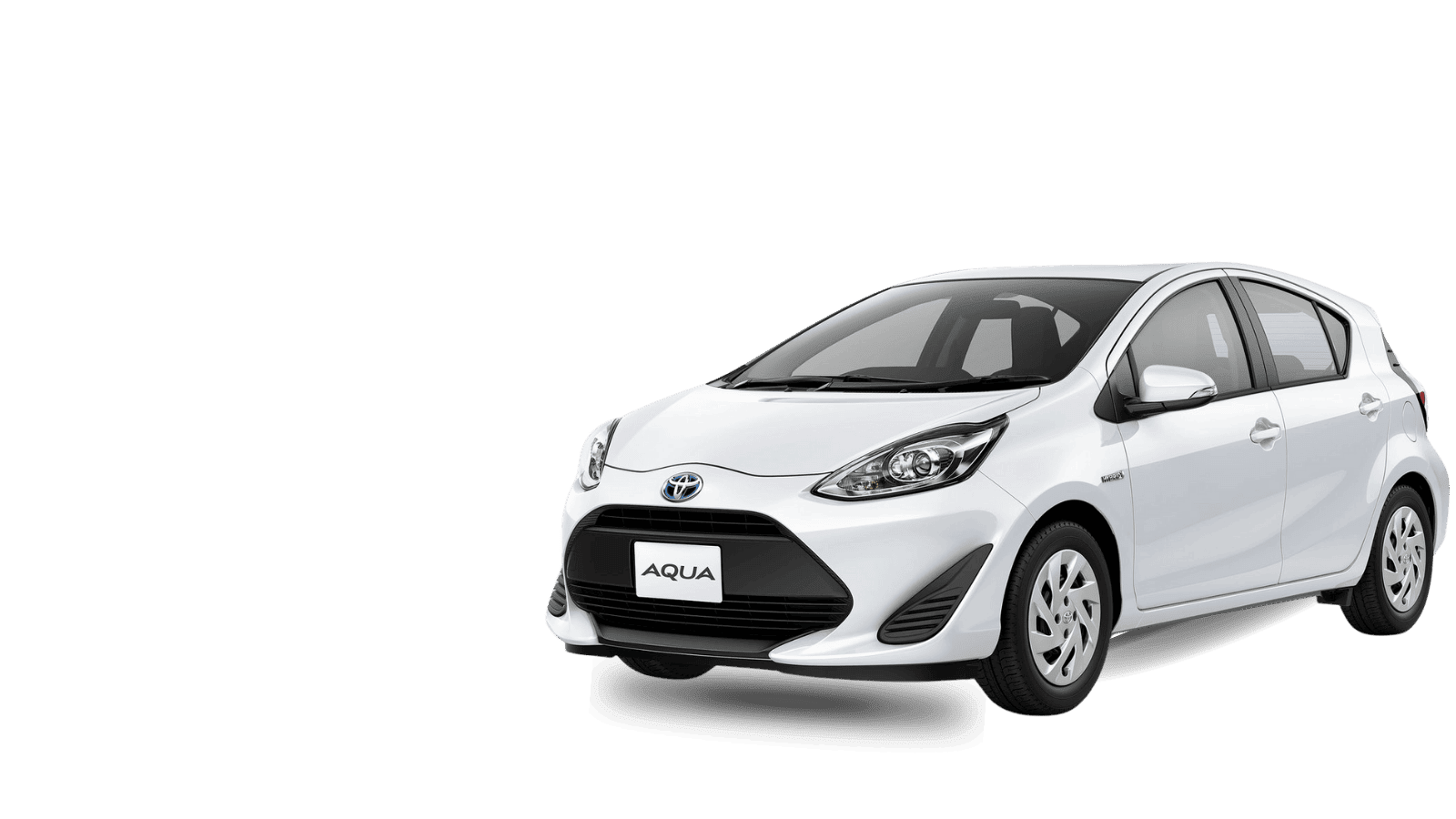
A small hatchback can be an excellent choice for two travellers with modest luggage.
It works particularly well if your itinerary includes:
The biggest advantage is manoeuvrability. Smaller cars are easier to park and generally consume less fuel than larger SUVs.
For a couple travelling light, spending considerably more on a large SUV may provide little practical benefit.
However, check the boot carefully before booking. Two large hard-shell suitcases can take up significantly more space than expected.
Mid-Size Sedan or Hatchback: A Good All-Rounder
For many road trips, a mid-size vehicle offers the best balance between comfort, luggage capacity and running costs.
This category makes sense for two to four adults who want enough room for longer driving days without moving into a large SUV.
A mid-size vehicle can be particularly comfortable for itineraries involving several hours of driving between destinations.
If you’re comparing rent a car in New Zealand options, this category is worth considering before automatically selecting an SUV.
Rent a Car for a South Island Adventure
The South Island is where vehicle selection becomes especially important.
Popular road-trip routes can include:
Many of these journeys involve hills, winding roads and changing conditions.
Compact SUV: Often the Best Road-Trip Compromise
For travellers who want additional space and a higher seating position, a compact or mid-size SUV is often a sensible choice.
It can provide:
That doesn’t mean you need a large 4WD.
For ordinary tourist routes, a conventional two-wheel-drive vehicle is usually sufficient when roads are sealed and weather conditions are suitable. The important point is choosing a vehicle that matches the conditions rather than assuming “bigger equals safer.”
Large SUV: Useful for Groups and Heavy Luggage
A larger SUV becomes more attractive when you’re travelling with four or five adults and substantial luggage.
Consider one if your trip involves:
The trade-off is cost. Larger vehicles typically use more fuel and can be less convenient in tight parking areas.
Car Hire for Families: Think Beyond Seating Capacity
Families often make the mistake of counting seats without considering luggage.
A five-seat vehicle technically accommodates five people, but five adults plus five full-size suitcases may make the journey uncomfortable.
Before booking car hire New Zealand, consider:
A seven-seat vehicle can also create an unexpected problem: some models provide additional seats by sacrificing luggage space.
If you’re travelling with six or seven people, compare the usable luggage capacity rather than simply looking at the advertised passenger count.
Can Tourists Rent Cars in New Zealand?
Can tourists rent cars in New Zealand? Yes, tourists can generally hire rental vehicles, subject to the rental company’s eligibility requirements and New Zealand’s driving rules.
International visitors should check their licence situation before travelling. Depending on the licence and circumstances, an International Driving Permit or approved English translation may be required.
You should also carry your original driving licence when collecting the vehicle. A digital photograph or photocopy may not satisfy the rental company’s requirements.
International Driving Considerations
New Zealand drives on the left-hand side of the road.
This matters particularly for visitors accustomed to right-side driving.
The driver’s position, roundabouts and turning patterns can initially feel unfamiliar. Spend the first part of the journey driving conservatively and avoid immediately planning a long mountain route after collecting the vehicle.
Before leaving the rental depot, become comfortable with:
If you’ve never driven on the left before, the first hour is not the time to discover how the vehicle’s controls work.
Rent a Car NZ: How to Match the Vehicle to Your Route
Your itinerary should determine your vehicle—not the other way around.
North Island
The North Island offers a mixture of urban driving, geothermal attractions, beaches, farmland and scenic highways.
A small or mid-size vehicle can work very well for routes involving Auckland, Hamilton, Rotorua, Taupō and Wellington.
If your trip includes remote coastal areas or camping, additional space may be useful.
South Island
South Island itineraries often involve longer scenic drives and more mountainous terrain.
A compact SUV or comfortable mid-size car can be a practical choice, particularly for travellers carrying luggage and spending several hours behind the wheel.
Both Islands
If you’re visiting both islands, consider how you’ll move the vehicle between them.
Rental-company policies concerning ferry crossings, one-way rentals and vehicle transfers vary. Do not assume that a booking automatically permits every type of inter-island movement.
Confirm the policy before finalising your itinerary.
Rental Car New Zealand: Understand Road Conditions
One of the biggest differences between a New Zealand road trip and an urban holiday is the road environment.
You may encounter:
A vehicle with modern safety features can be valuable, but technology doesn’t replace appropriate driving technique.
Adaptive cruise control, lane assistance and reversing cameras are useful conveniences. They don’t eliminate the need to adjust speed for weather, visibility or road geometry.
Don’t Confuse Four-Wheel Drive With Permission
One important rental mistake is assuming that hiring an SUV or 4WD means you can drive anywhere.
Rental agreements may restrict certain roads, beaches, river crossings, unsealed routes or other challenging areas.
Always read the terms governing where the vehicle can be driven.
If a scenic attraction requires driving on an unsealed road, check the rental company’s policy before setting out.
Car Hire New Zealand: Automatic or Manual?
For international visitors, an automatic transmission is often the easiest option—particularly when simultaneously adjusting to left-side driving.
Manual vehicles may be less expensive or more widely available in certain categories, but changing gears adds another task if you’re already adapting to unfamiliar roads.
If you normally drive an automatic, there is little reason to introduce unnecessary complexity on a holiday.
Book early if you specifically need an automatic, especially during busy travel periods.
What Size Car Should You Rent?
A simple guide is:
| Travellers | Typical Choice | Why |
| 1–2 | Small hatchback | Economical and easy to park |
| 2–3 | Mid-size hatchback | More luggage and comfort |
| 3–4 | Mid-size SUV | Good balance of space and comfort |
| 4–5 | SUV or large hatchback | Better luggage capacity |
| 6–7 | People mover/SUV | Passenger capacity |
| Large group | Multiple vehicles | Often more practical than one oversized vehicle |
These are starting points rather than fixed rules.
Two people with camping equipment may need more space than four travellers with backpacks.
How Much Does Fuel Economy Matter?
Fuel costs can become noticeable on a long road trip.
A vehicle that consumes slightly less fuel per 100 kilometres can make a meaningful difference when you’re driving hundreds or thousands of kilometres.
For example, suppose two vehicles differ by 3 litres per 100 km in fuel consumption. Over a 2,000-kilometre itinerary, that represents approximately 60 litres of additional fuel.
That doesn’t automatically mean the most economical car is the best choice. A cramped vehicle that makes every long driving day uncomfortable may not be worth the savings.
The better approach is to balance:
Fuel efficiency + comfort + luggage space + suitability for the route.
Common Mistakes When Choosing a Rental Car
Choosing the Cheapest Vehicle Without Checking Size
The lowest advertised price may correspond to a very small vehicle.
Always check the actual model category, passenger capacity and luggage capacity.
Assuming Every SUV Is a 4WD
SUV styling does not necessarily mean four-wheel drive.
More importantly, four-wheel drive doesn’t mean a rental agreement permits off-road driving.
Underestimating Driving Times
A 200-kilometre journey can feel very different on a winding scenic road than on a motorway.
Build realistic driving time into your itinerary and leave room for stops.
Ignoring Weather
Mountain weather can change quickly.
Check conditions before major driving days, particularly if your itinerary involves alpine areas.
Overpacking the Vehicle
Don’t plan to leave valuable luggage visibly exposed inside the car.
Whenever possible, take valuables with you and use secure accommodation storage.
Forgetting to Check the Vehicle Before Departure
Walk around the vehicle before leaving the depot.
Photograph existing scratches, dents, wheels, windscreens and interior damage. Make sure any existing damage is recorded according to the rental company’s process.
This takes only a few minutes and provides useful documentation.
Expert Tips for a Smoother New Zealand Road Trip
Plan Your First Driving Day Carefully
If you arrive after a long international flight, don’t immediately schedule an exhausting five- or six-hour drive.
Jet lag can affect concentration and reaction time.
A short first-day route gives you time to become comfortable with the vehicle and local road environment.
Keep Your Fuel Level in Mind
Remote areas may have fewer fuel stations than you’re accustomed to.
Don’t routinely wait until the fuel warning light appears before looking for a station.
When travelling through sparsely populated areas, topping up when convenient can be a sensible habit.
Allow Extra Time for Scenic Stops
New Zealand’s roads are part of the attraction.
You may encounter viewpoints, walking tracks, lakes, waterfalls and roadside scenery that you hadn’t planned for.
A rigid itinerary can turn a relaxing road trip into a race against the clock.
Be Conservative on Unfamiliar Roads
If a local road feels narrower, steeper or more challenging than expected, reduce your speed.
You don’t gain anything by trying to maintain the speed you would normally drive on a familiar road.
Check Rental Terms Before Booking
Pay particular attention to:
The cheapest headline rate isn’t necessarily the cheapest overall rental.
Choosing the Best Car for Different Road-Trip Scenarios
For a Couple Exploring the North Island
A compact hatchback or mid-size car is usually sufficient if you’re travelling light and staying mostly on sealed roads.
For a Couple Touring the South Island
A comfortable mid-size car or compact SUV can be worthwhile because of the longer driving distances and varied terrain.
For a Family With Children
Prioritise rear-seat comfort, luggage space and appropriate child-seat availability.
For a Group of Four Adults
A mid-size or larger SUV may provide a better balance between passenger comfort and luggage capacity.
For Camping Trips
Choose based on equipment volume first. If tents, sleeping bags, cooking equipment and other gear need to fit inside the vehicle, boot capacity becomes a major consideration.
For Winter Travel
Prioritise suitable tyres, vehicle condition and the rental company’s winter policies. Monitor weather and road conditions before travelling through alpine regions.
Final Checklist Before You Rent a Car
Before confirming your booking, ask yourself:
If you can answer all of these questions, you’re much more likely to choose a vehicle that works for your actual holiday rather than simply selecting the vehicle with the most attractive daily rate.
Conclusion
The best rent car in New Zealand for a road trip isn’t necessarily the largest, newest or cheapest vehicle. It’s the one that matches your route, passengers, luggage and driving conditions.
For couples travelling light, a compact car can be economical and easy to handle. Families and longer South Island itineraries may benefit from a mid-size SUV, while larger groups should focus heavily on passenger and luggage capacity.
And if you’re still wondering, can tourists rent cars in New Zealand? Yes, generally they can, provided they meet the relevant licence, age and rental-company requirements. The important part is preparing before collection day and understanding how New Zealand’s road environment differs from what you’re used to.
A well-chosen car hire New Zealand option gives you the flexibility to explore at your own pace while leaving enough room in the itinerary for the unexpected viewpoints, short walks and scenic stops that make a New Zealand road trip memorable.
The smartest approach is simple: plan the route first, estimate your real space requirements, understand the rental conditions, then choose the car. That order usually produces a much better road-trip experience than starting with the cheapest rental price.
Frequently Asked Questions
1. Can tourists rent cars in New Zealand with an overseas driving licence?
Yes, international visitors can generally rent cars in New Zealand using a valid overseas licence, provided they satisfy applicable requirements. The licence must be valid for the type of vehicle being driven, and depending on the licence’s language and format, an International Driving Permit or approved English translation may be required.
Before travelling, check the requirements applicable to your licence and confirm what the rental company will accept. Bring the original licence when collecting the vehicle rather than relying solely on a digital copy.
2. What is the best car to rent in New Zealand for two people?
For two people travelling with moderate luggage, a compact or mid-size car is often the most practical option. It provides good fuel economy, easier parking and sufficient space for most conventional itineraries.
However, if you’re planning an extensive South Island trip, carrying camping equipment or travelling during winter, moving up to a compact SUV may provide useful additional space and comfort.
3. Do I need a 4WD for a New Zealand road trip?
Usually, no. Many popular tourist routes can be completed in conventional two-wheel-drive rental vehicles.
The need for a particular drivetrain depends on your route and conditions. More importantly, your rental agreement may restrict certain roads regardless of whether the vehicle is a 4WD.
Don’t select a 4WD simply because it looks more capable. Choose it when your itinerary genuinely requires the additional capability and the rental terms permit the intended driving.
4. Is it difficult to drive a rental car in New Zealand?
Most visitors can adapt successfully, but travellers accustomed to driving on the right should take extra care because New Zealand drives on the left.
The more significant challenge can be rural road conditions rather than traffic itself. Narrow roads, curves, hills, one-lane bridges and changing weather require patience.
Start slowly, keep left, follow posted speed limits and allow additional time for unfamiliar routes. After a few hours of sensible driving, the road layout usually becomes much more intuitive.
5. Should I rent a car in New Zealand for the entire holiday?
Not necessarily. If you’re spending several days in a major city, you may not need a rental vehicle during that portion of the trip.
For example, keeping a rental car parked while staying in a dense urban area can add unnecessary parking and rental costs. A more efficient strategy may be to rent the vehicle when you begin the road-trip portion of your itinerary.
The best decision depends on your accommodation, planned activities, airport arrangements and overall route.